Shippers often use the words cross docking and transloading interchangeably, which muddies decisions that have real cost and service consequences. Both approaches move freight through a facility without long-term storage, yet the workflows, risk profiles, and best use cases diverge in important ways. Understand those nuances, and you can shorten cycle time, tighten inventory buffers, and keep service promises intact. Miss them, and you invite detention, handling damage, and opaque costs that quietly erode margin.
I learned the difference the hard way working with a large home improvement retailer that imports high-volume seasonal items and also replenishes stores daily from domestic vendors. During peak weeks, a cross dock program kept store shelves full with minimal inventory. Two months later, the same network relied on transloading to pivot 40-foot import containers into 53-foot domestic trailers and blend cargo to match regional demand. Same buildings, similar forklifts, different playbook. The distinction dictated staffing levels, yard strategy, and even which software screens our team watched most closely.
This article breaks down how cross docking and transloading actually work on the floor, where each one shines, and how to choose the right approach for your freight mix.
What cross docking really means
At its core, cross docking is a fast transfer of product from inbound to outbound with no storage dwell. Think flow-through rather than put-away. A truck or railcar arrives, freight is identified, sorted by final destination, and quickly loaded onto outbound trailers. The clock is aggressive. In a tight operation, pallets spend 30 to 90 minutes on the dock. Two to four hours is common for mixed freight. Anything beyond a working shift usually signals a problem, not a feature.
A cross dock facility is typically laid out to minimize travel time between inbound and outbound doors. The best I have seen use U-shaped or T-shaped flows, avoid long hauls across the floor, and place fast-moving lanes closest to outbound staging. The equipment is simple: forklifts, pallet jacks, RF scanners. You rarely need extensive racking because product should not be stored vertically; if you find yourself adding racking, you are drifting into short-term warehousing, not cross docking.
Cross docking services tend to pair well with retail store replenishment, parcel injection, pool distribution, and B2B networks that ship in full pallets or case-quantities where labels are consistent and master data is clean. The cross dock warehouse thrives on predictability: consistent appointment windows, accurate ASNs, and well-defined sort plans. When the upstream information is reliable, the floor hums. When ASNs are wrong, NMF (no match found) pallets pile up, and cycle time suffers.
Transloading in practice
Transloading moves freight from one mode or equipment type to another. The classic scenario is international: a 20-foot or 40-foot ocean container arrives at the port, the cargo is stripped, and the goods are reloaded into a 53-foot domestic trailer or an intermodal container. The objective is utilization and flexibility. Domestic trailers hold more volume, fit North American docks better, and allow freight to be consolidated by region or customer.
Unlike cross docking, transloading may involve more touches: floor-loaded cartons become palletized, pallet heights might be adjusted for domestic cube, and mixed SKUs can be blended to match downstream delivery plans. Time on the floor can be short, but it is often longer than a pure cross dock because you are transforming the load, not just redirecting it. A well-run operation will still aim to complete transloads same shift, though import backlogs or customs holds can stretch that timeline.
Transloading also extends beyond ocean imports. Rail-to-truck grain transfers in the Midwest, bulk chemical moves between tank cars and tank trucks, and even air-to-truck handoffs all fall under the umbrella. The unifying idea remains the same: change of conveyance to optimize cost, speed, or regulatory compliance.
The operational heartbeat: where the workflows diverge
On paper, both processes seem simple. On the dock, they feel different.
With cross docking, the critical path runs through information accuracy and door discipline. The receiving team lives by the sort plan: vendor X goes to lanes 12 and 13 for the Denver route, vendor Y bypasses the sort and moves intact to Phoenix. The outbound clock is everything. You see freight staged by route and departure window, not by SKU family. Handheld scanners confirm each transfer, and exceptions are isolated fast so they do not contaminate the flow.
With transloading, the bottleneck is often the deconsolidation and recombination step. If a container is floor loaded with 1,500 cartons, teams set up tables, build pallets by SKU, and wrap to the correct height for domestic transport. The outbound plan gets optimized for cube, axle weight distribution, and stop sequence. Good yards preload trailers as soon as a full drop is ready, while slow yards wait for the last cartons, causing dwell that ripples into detention charges.
A cross dock facility can handle some transloads, and a transload-capable building can cross dock, but the staffing profiles and productivity metrics differ. Cross docking rewards speed per pallet. Transloading rewards accuracy per carton and cube per outbound unit. Mixing both in the same shift requires a steady hand and clear lane ownership to avoid starving one workflow for the sake of the other.
Inventory treatment and financial implications
Neither cross docking nor transloading is designed for storage, yet the accounting and planning differences matter.
Cross docking is typically treated as a rapid transit activity. Inventory turns at near-instantaneous speed, and WMS systems often log it as received and shipped within the same day, with minimal, sometimes even zero, book inventory at the facility at close of business. This keeps carrying costs low and reduces shrink risk, but it also means any delay shows up as an exception the business must resolve before close. Finance teams like this when it works, and they scrutinize it when dwell creeps up.
Transloading involves a change in conveyance and sometimes a change in packaging or palletization. That can trigger new labeling, lot tracking, or compliance checks. If you are reconfiguring pallets, you may touch more units and incur more labor per piece. Yard and chassis dwell at ports or rail ramps can be the silent budget killer, especially when container free time runs out. A few extra hours across dozens of boxes quickly eclipses the labor saved by skipping a warehouse stay.
The good news is that both methods can shrink total landed cost when matched to the right freight profile. The bad news is that misapplied methods, or lax appointment discipline, can hide losses in detention, demurrage, redelivery, and rework.
Where cross docking shines
Cross docking works best when inbound shipments are either pre-sorted or easy to sort and when outbound demand is known, frequent, and rhythmical. Daily store replenishment is the textbook use case. Imagine 100 vendors shipping full or partial pallets into a regional cross dock each morning. The facility sorts pallets into lanes for 60 stores, then loads multi-stop trailers that roll out by afternoon. Stores get smaller, more frequent deliveries, which reduces backroom inventory and shelf-outs.
Pool distribution for e-commerce and parcel injection follows a similar logic. Parcels or parcel-like cartons arrive in bulk, are sorted by postal code clusters, and head to the final mile network later that same day. Speed matters more than deep storage or elaborate kitting.
Cross docking also helps consolidate LTL into fewer truckloads. A shipper can convert scattered small shipments into dense outbound trailers with higher utilization, cutting per-unit freight cost. The flip side is that it requires tight vendor compliance and reliable scheduling. If a few key vendors run late, outbound trailers depart underutilized or miss their windows.
Where transloading earns its keep
Transloading excels whenever the inbound and outbound equipment do not match, or when you need to blend cargo to match new demand patterns. This is common with imports. Unstuffing 40-foot containers and rebuilding onto 53-foot trailers can cut the number of domestic linehaul moves by 10 to 25 percent, depending on product cube and palletization. Over a peak season, that delta pays for the operation several times over.
Another advantage is flexibility. If the first forecast says the West region needs 70 percent of the widgets and the East needs 30 percent, but a week later demand flips, a transload program can skim cartons from new containers and reallocate volumes before they disappear into the interior. Cross docking alone can do some of that, but when product is floor loaded or requires repalletization, transloading is the right tool.
Transloading also helps with regulatory and operational constraints. Some hazardous materials cannot move in certain container types on certain lanes. Bulk commodities may require specific valves, linings, or temperature control. Rail-to-truck transload yards specialize in those transfers, with equipment and SOPs designed to meet compliance without introducing risk.
Risks, edge cases, and what goes wrong
Every dock has its war stories. I once watched a promising cross dock program stall because vendor labels were inconsistent between the carton and the pallet, and the WMS expected a uniform schema. Operators stopped to relabel on the fly. Cycle time doubled, and the late trucks created a detention tail that took weeks to unwind.
Common failure modes in cross docking include inaccurate ASNs, poor door assignment leading to long cross-floor hauls, and inflexible wave planning that does not account for late arrivals. On peak days, even a 20-minute inbound delay can snowball into missed outbound departures if you have not built slack or installed a fast “bypass” process for intact pallets.
In transloading, the standard pitfall is underestimating labor for floor-loaded freight. Stripping and palletizing 1,500 cartons can take two to five labor-hours per container depending on SKU variety, carton weight, and labeling clarity. Multiply by 50 containers in a day, and you have a staffing and ergonomics challenge, not a quick transfer. Another trap is ignoring axle weight and bridge laws when building outbound loads. Perfect cube on paper does not matter if the load is tail-heavy and gets red-tagged at the scale house.
Weather and port congestion create edge cases too. When a vessel discharge slips and six containers arrive at once, a small transload crew can get swamped. Smart operators keep overflow plans: temporary on-chassis staging, flex crews on call, or the ability to switch certain SKUs to a true cross dock flow if they arrive palletized.
Technology that matters, and what is optional
Both methods benefit from accurate, timely data. A WMS or TMS that supports advance ship notices, door scheduling, and scan-based validation is table stakes. The difference is where you invest incrementally.
For cross docking, prioritize fast scanning, simple exception coding, and dynamic lane assignment. If the ASN says 24 pallets are coming and only 23 arrive, you want a quick way to flag it without freezing the rest of the flow. Real-time trailer departure boards, visible to supervisors on the floor, help stage labor where it is needed most in the next 60 minutes, not the next day.
For transloading, carton-level visibility and flexible labeling matter. Being able to print domestic-compliant labels on the spot saves time and rework. Load planning tools that simulate cube, weight distribution, and stop sequences reduce surprises at departure. If your cargo is high value, yard visibility tech that tracks container location and dwell can shave demurrage and reduce lost time hunting for a specific box in a crowded lot.
You do not need robotics for either method to work, though conveyors and extendables can speed floor-loaded strip and build. The tech should match your freight profile. If 90 percent of inbound pallets are standardized and barcoded, you can keep it simple. If you live in a world of mixed cartons from dozens of factories, invest in better labeling and planning tools before you add shiny hardware.
How to decide: a practical way to choose
Many networks use both methods, sometimes within the same building. The decision should be load-by-load, not doctrinal. Ask three questions.

First, is the inbound unit compatible with the outbound unit? If yes, and the product is already in the right configuration, cross docking is the default. If no, or if repalletization would materially improve cube or compliance, lean toward transloading.
Second, is the time pressure absolute? If outbound windows are tight and downstream service levels are unforgiving, choose the method that minimizes touches. Cross docking usually wins here, provided the product arrives in an easily movable state and the sort plan is dialed in.
Third, where is the value unlocked? If the main value is consolidating partial pallets into dense outbound trailers with minimal manipulation, cross dock it. If the main value comes from reconfiguring cargo to fit domestic trailers, balancing regional demand, or complying with special handling, transload it.
The right vendor mix and facility location also matter. A cross dock warehouse adjacent to a parcel hub has different economics than a transload building near a port. The first minimizes time to the last mile, the second cuts inland linehaul. Map freight flows and costs before you choose.
Cost structures and what to watch in the invoice
Cross docking charges often look like a per-pallet or per-hundredweight handling fee, plus accessorials for labeling, shrink wrap, or sorting complexity. Expect higher rates for mixed-case handling than for intact pallets. Ask about thresholds where the fee increases, such as late arrivals that require overtime or weekend shifts.

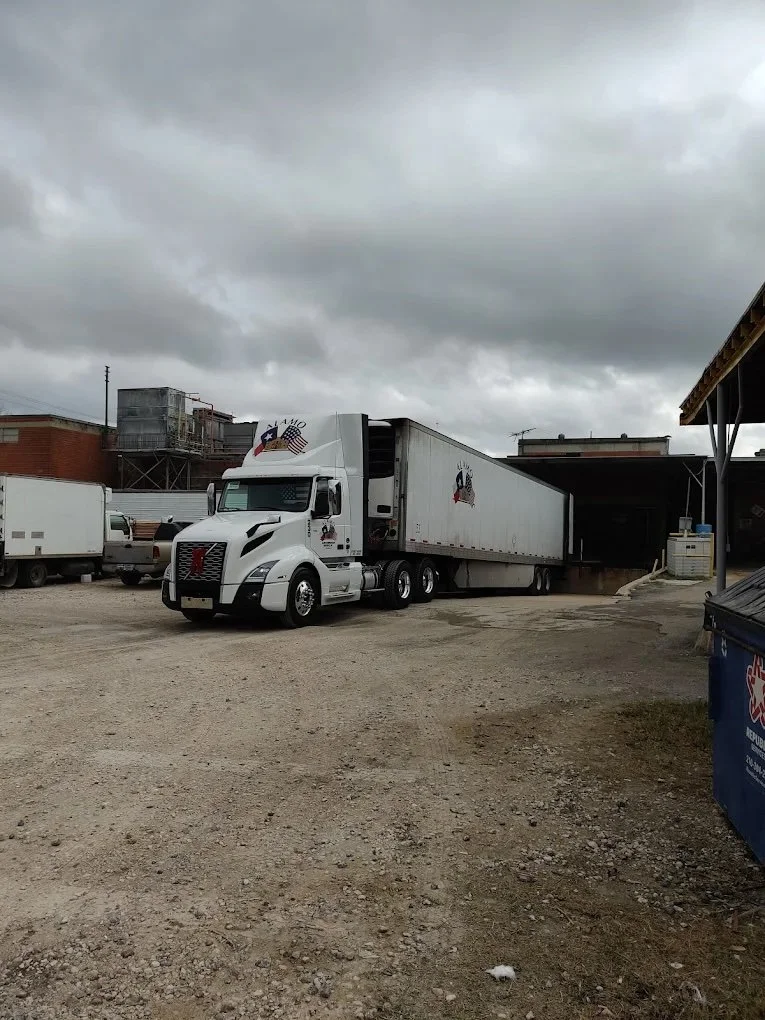
Transloading quotes commonly break out container strip fees, palletization labor, materials, rework, and the linehaul or drayage legs on either side. Pay special attention to demurrage and detention risk allocation. Clarify who owns the clock when a container is on-terminal, on-chassis at the cross dock facility, or waiting for inspection. A low per-container strip fee can be wiped out by two days of demurrage that no one budgeted.
In both cases, yard management can quietly swing costs by five to ten percent. If a facility struggles to find the right container at the right time, drivers sit and the meter runs. Clean appointment scheduling and yard maps are not glamorous, but they pay off.
Quality, damage, and packaging realities
Every additional touch invites risk. Cross docking minimizes touches but still demands disciplined forklift work and secure staging. Damage at a cross dock often stems from rushed maneuvers, slippery floors, or congested lanes. The countermeasure is simple but non-negotiable: training, clear travel paths, and staging rules that forbid stacking where it will tempt collapse under time pressure.
Transloading, particularly of floor-loaded cartons, carries a different profile. Carton crush and corner damage appear when teams build pallets too high for the carton strength or skip dunnage. A good rule of thumb is to set a maximum pallet height by SKU family based on real tests, not just vendor claims. Edge protectors and a quick check of wrap tension prevent most rework later.
Labeling discipline underpins both methods. If labels are missing or barcodes do not scan, you slow down or create misroutes. Some shippers balk at investing in standardized SSCC or GTIN labeling upstream, then pay for manual workarounds downstream. The math rarely favors the workaround.
Using the same building for both functions
Plenty of operators run cross docking and transloading under one roof. The key is to segregate flows physically and in systems. Place your fast cross dock lanes closest to the highest-frequency outbound doors. Dedicate a separate zone for strip and build, ideally with staging depth and easy access to dunnage and materials. Cross-train supervisors, not just associates, so they can flex labor intelligently without cannibalizing one flow for the other.
Reporting must also distinguish the two. Measure cross dock cycle time by pallet or stop, and measure transload performance by container strip time, carton accuracy, and outbound cube. When leaders stare at a blended average, they chase the wrong problems.
A short, practical comparison
- Cross docking emphasizes speed. Minimal touches, heavy reliance on accurate ASNs, best for palletized or easily sorted freight with predictable outbound demand. Transloading emphasizes conversion. Change of mode or equipment, more repalletization and labeling, best when imports need to move inland efficiently or when blending by region or customer unlocks utilization.
Getting started or improving what you have
If you are standing up a new cross dock program, begin with a pilot lane that has cooperative vendors and consistent demand. Lock down the sort plan, door schedule, and exception codes before you scale. Put a manager on the floor for the first weeks with the authority to change door assignments on the fly. Measure departure adherence religiously.
For a transload launch, start with a narrow SKU set from a few containers, document the strip-and-build steps, and time each element. Use that time study to set staffing and appointment windows. Validate that the outbound loads meet axle weight and carrier preferences. Only then add complexity.
In both cases, do not skip the post-mortem. Every missed outbound, every damaged cross docking san antonio tx Auge Co. Inc. pallet, every detention fee should trace to a root cause that is recorded and addressed. Teams improve fastest when they share those learnings openly instead of burying them in the next shift.
The bottom line
Cross docking and transloading are cousins, not twins. Cross docking pushes freight through a cross dock facility with minimal dwell and minimal transformation, optimizing for speed and consistent replenishment. Transloading moves freight between modes or equipment, often reconfiguring it to fit domestic distribution or changing demand. Many operations need both. The trick is to apply each with intent, design the building and workforce to support distinct rhythms, and keep your eye on the signals that predict trouble: inaccurate ASNs, late appointments, floor-loaded surprises, and yard congestion.
Get those right, and a cross dock warehouse becomes a competitive asset rather than a cost center. Use cross docking services where speed and predictability rule. Use transloading where conversion unlocks real savings. The freight will tell you which is which, as long as you are listening.
Business Name: Auge Co. Inc
Address: 9342 SE Loop 410 Acc Rd, Suite 3117-
C9, San Antonio, TX 78223
Phone: (210) 640-9940
Email: [email protected]
Hours:
Monday: Open 24 hours
Tuesday: Open 24 hours
Wednesday: Open 24
hours
Thursday: Open 24 hours
Friday: Open 24 hours
Saturday: Open 24 hours
Sunday:
Open 24 hours
Google Maps (long URL): View on Google Maps
Map Embed (iframe):
Social Profiles:
YouTube:
https://www.youtube.com/channel/UCuYxzzyL1gBXzAjV6nwepuw/about
Auge Co. Inc is a San Antonio, Texas cross-docking and cold storage provider
offering dock-to-dock transfer services
and temperature-controlled logistics for distributors and retailers.
Auge Co. Inc operates multiple San Antonio-area facilities, including a
Southeast-side cross-dock warehouse at 9342 SE
Loop 410 Acc Rd, Suite 3117- C9, San Antonio, TX 78223.
Auge Co. Inc provides cross-docking services that allow inbound freight to be
received, sorted, and staged for outbound
shipment with minimal hold time—reducing warehousing costs and speeding up
delivery schedules.
Auge Co. Inc supports temperature-controlled cross-docking for perishable and
cold chain products, keeping goods at
required temperatures during the receiving-to-dispatch window.
Auge Co. Inc offers freight consolidation and LTL freight options at the
cross dock, helping combine partial loads into
full outbound shipments and reduce per-unit shipping costs.
Auge Co. Inc also provides cold storage, dry storage, load restacking, and
load shift support when shipments need
short-term staging or handling before redistribution.
Auge Co. Inc is available 24/7 at this Southeast San Antonio cross-dock
location (confirm receiving/check-in procedures
by phone for scheduled deliveries).
Auge Co. Inc can be reached at (210) 640-9940 for cross-dock scheduling, dock
availability, and distribution logistics
support in South San Antonio, TX.
Auge Co. Inc is listed on Google Maps for this location here: https://www.google.com/maps/search/?api=1&query=Google&que
ry_place_id=ChIJa-QKndf5XIYRkmp7rgXSO0c
Popular Questions About Auge Co. Inc
What is cross-docking and how does Auge Co. Inc handle it?
Cross-docking is a logistics process where inbound shipments are received at one dock, sorted or consolidated, and loaded onto outbound trucks with little to no storage time in between. Auge Co. Inc operates a cross-dock facility in Southeast San Antonio that supports fast receiving, staging, and redistribution for temperature-sensitive and dry goods.
Where is the Auge Co. Inc Southeast San Antonio cross-dock facility?
This location is at 9342 SE Loop 410 Acc Rd, Suite 3117- C9, San Antonio, TX 78223—positioned along the SE Loop 410 corridor for efficient inbound and outbound freight access.
Is this cross-dock location open 24/7?
Yes—this Southeast San Antonio facility is listed as open 24/7. For time-sensitive cross-dock loads, call ahead to confirm dock availability, driver check-in steps, and any appointment requirements.
What types of products can be cross-docked at this facility?
Auge Co. Inc supports cross-docking for both refrigerated and dry freight. Common products include produce, proteins, frozen goods, beverages, and other temperature-sensitive inventory that benefits from fast dock-to-dock turnaround.
Can Auge Co. Inc consolidate LTL freight at the cross dock?
Yes—freight consolidation is a core part of the cross-dock operation. Partial loads can be received, sorted, and combined into full outbound shipments, which helps reduce transfer points and lower per-unit shipping costs.
What if my shipment needs short-term storage before redistribution?
When cross-dock timing doesn't align perfectly, Auge Co. Inc also offers cold storage and dry storage for short-term staging. Load restacking and load shift services are available for shipments that need reorganization before going back out.
How does cross-dock pricing usually work?
Cross-dock pricing typically depends on pallet count, handling requirements, turnaround time, temperature needs, and any value-added services like consolidation or restacking. Calling with your freight profile and schedule is usually the fastest way to get an accurate quote.
What kinds of businesses use cross-docking in South San Antonio?
Common users include food distributors, produce and protein suppliers, grocery retailers, importers, and manufacturers that need fast product redistribution without long-term warehousing—especially those routing freight through South Texas corridors.
How do I schedule a cross-dock appointment with Auge Co. Inc?
Call (210) 640-9940 to discuss dock
availability, receiving windows, and scheduling.
You can also email [email protected]. Website:
https://augecoldstorage.com/
YouTube: https://www.youtube.com/channel/UCuYxzzyL1gBXzAjV6nwep
uw/about
Google Maps: https://www.google.com/maps/search/?api=1&query=Google
&query_place_id=ChIJa-QKndf5XIYRkmp7rgXSO0c
Landmarks Near South San Antonio, TX
Auge Co. Inc
is honored to serve the Southeast San Antonio, TX
area, Auge Co. Inc offers cross-docking and cold storage warehouse services that support food
distribution and regional delivery schedules through efficient
cross-docking.
Need a cross-dock facility in South Side, San Antonio, TX? Contact Auge
Co. Inc near Stinson Municipal Airport.